When it comes to roofing, we often find ourselves overwhelmed by the myriad of options and decisions that need to be made. The first step in this journey is to clearly understand our roofing needs. We must assess the current condition of our roof, identifying any visible damage or wear that may require immediate attention.
This could range from missing shingles to leaks that have begun to affect the interior of our homes. By taking a close look at our roofs, we can determine whether we need a simple repair or a complete replacement. Additionally, we should consider the specific requirements of our homes and our personal preferences.
Are we looking for a roof that is energy-efficient? Or perhaps we want something that enhances the aesthetic appeal of our property? Understanding these needs will guide us in making informed decisions as we move forward.
We should also take into account the climate in our area, as different materials perform better under varying weather conditions. By thoroughly evaluating our roofing needs, we set a solid foundation for the next steps in the process. Learn more about our roofing contractor services by visiting About Us.
Key Takeaways
- Understand your roofing needs before starting the search for a contractor
- Research and identify potential contractors with a good reputation and experience
- Check credentials and certifications to ensure the contractor is qualified for the job
- Review past work and client testimonials to gauge the quality of the contractor’s work
- Obtain multiple quotes and estimates to compare pricing and services offered
- Discuss materials and timeline with the chosen contractor before signing a detailed contract
- Monitor progress and provide feedback throughout the roofing project
- Sign a detailed contract outlining all aspects of the project to avoid any misunderstandings
Researching and Identifying Potential Contractors
Once we have a clear understanding of our roofing needs, the next step is to research and identify potential contractors who can help us achieve our goals. This phase is crucial, as the quality of the contractor we choose can significantly impact the outcome of our roofing project. We can start by seeking recommendations from friends, family, or neighbors who have recently had roofing work done.
Their firsthand experiences can provide valuable insights into which contractors are reliable and skilled. In addition to personal recommendations, we can utilize online resources to expand our search. Websites that specialize in contractor reviews and ratings can help us compile a list of potential candidates.
We should look for contractors who have a strong online presence, showcasing their work and customer feedback. As we gather information, it’s essential to create a shortlist of contractors who seem promising, ensuring that we have a diverse range of options to consider.
Checking Credentials and Certifications

With a list of potential contractors in hand, we must now take the time to check their credentials and certifications. This step is vital in ensuring that we are hiring professionals who are qualified and adhere to industry standards. We should verify that each contractor holds the necessary licenses required by our state or local government.
This not only demonstrates their legitimacy but also ensures that they are knowledgeable about local building codes and regulations. Moreover, we should inquire about any certifications that the contractors may possess from roofing manufacturers or industry organizations. These certifications often indicate that the contractor has undergone specialized training and has proven their expertise in specific roofing systems.
By thoroughly vetting each contractor’s credentials, we can feel more confident in our choice and reduce the risk of hiring someone who may not deliver quality work.
Reviewing Past Work and Client Testimonials
| Client Name | Project | Review |
|---|---|---|
| John Smith | Website Redesign | “The team did an excellent job in revamping our website. Very satisfied with the results.” |
| Sarah Johnson | Logo Design | “Great communication and creativity. The new logo exceeded our expectations.” |
| Michael Brown | Marketing Campaign | “Impressive work on the marketing campaign. Our sales have significantly increased.” |
As we narrow down our list of potential contractors, it’s essential to review their past work and client testimonials. This step allows us to gauge the quality of their craftsmanship and customer service. We can request a portfolio of completed projects, which should showcase a variety of roofing styles and materials.
By examining their previous work, we can determine if their aesthetic aligns with our vision for our own roof. In addition to reviewing portfolios, we should actively seek out client testimonials and reviews. Online platforms such as Google Reviews or Yelp can provide us with insights into other customers’ experiences with the contractors we are considering.
Positive feedback regarding punctuality, communication, and overall satisfaction can be strong indicators of a contractor’s reliability. Conversely, negative reviews may raise red flags that warrant further investigation. By taking the time to assess past work and client feedback, we can make a more informed decision about which contractor is best suited for our roofing project.
Obtaining Multiple Quotes and Estimates
After narrowing down our options based on credentials and past work, it’s time to obtain multiple quotes and estimates from the contractors on our shortlist. This step is crucial for several reasons; it allows us to compare pricing, services offered, and timelines for completion. When requesting quotes, we should ensure that each contractor provides a detailed breakdown of costs, including materials, labor, and any additional fees that may arise during the project.
As we review these estimates, it’s important to remember that the lowest price does not always equate to the best value. We should consider the quality of materials proposed and the reputation of the contractor alongside their pricing. Additionally, we can use these quotes as a negotiation tool; if one contractor offers a better price for similar services, we can discuss this with others to see if they are willing to adjust their estimates.
By obtaining multiple quotes, we empower ourselves to make a well-rounded decision that balances cost with quality.
Discussing Materials and Timeline
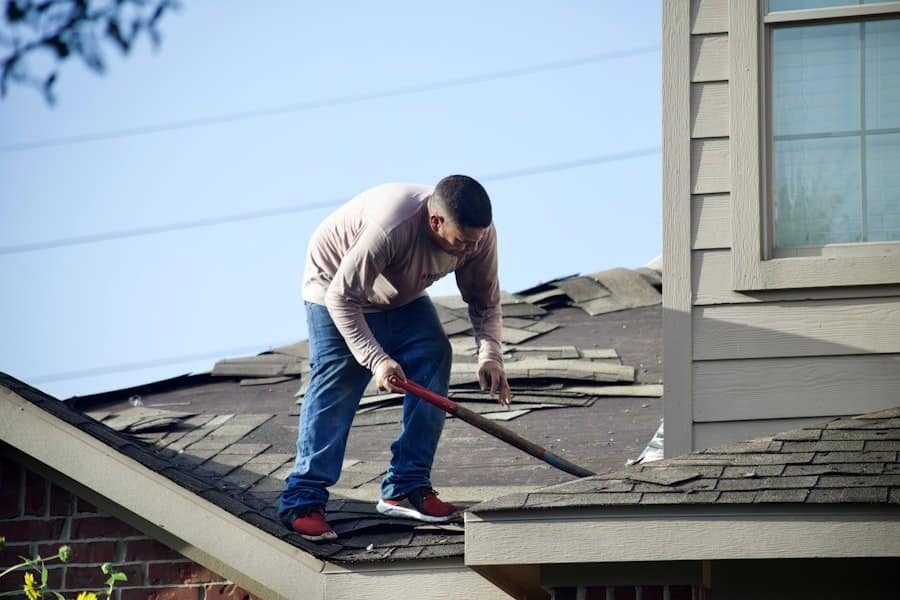
Once we have selected a contractor based on quotes and estimates, it’s time to discuss materials and establish a timeline for our roofing project. The choice of materials is one of the most significant decisions we will make, as it impacts not only the appearance of our roof but also its durability and energy efficiency. We should engage in an open dialogue with our contractor about the various options available, weighing the pros and cons of each material type.
In addition to materials, establishing a clear timeline is essential for managing expectations throughout the project. We should discuss when the work will begin, how long it is expected to take, and any potential delays that could arise due to weather or supply chain issues. By having these conversations upfront, we can ensure that everyone is on the same page and reduce the likelihood of misunderstandings later on.
Signing a Detailed Contract
Before any work begins, it is imperative that we sign a detailed contract with our chosen contractor. This document serves as a legally binding agreement that outlines all aspects of the project, including scope of work, materials to be used, payment terms, and timelines for completion. A well-drafted contract protects both parties by clearly defining expectations and responsibilities.
As we review the contract, we should pay close attention to any clauses regarding warranties or guarantees on workmanship and materials. It’s also wise to ensure that there are provisions for handling unexpected issues that may arise during the project. If anything seems unclear or concerning, we should not hesitate to ask questions or request modifications before signing.
By securing a comprehensive contract, we lay the groundwork for a successful roofing project.
Monitoring Progress and Providing Feedback
As our roofing project gets underway, it’s important for us to actively monitor progress and provide feedback throughout the process. Regular communication with our contractor will help us stay informed about any developments or challenges that may arise. We should feel comfortable asking questions or expressing concerns as they come up; after all, this is our home being worked on.
Additionally, providing constructive feedback during the project can help ensure that everything aligns with our expectations. If we notice something that doesn’t seem right or if there are aspects of the work that could be improved upon, addressing these issues promptly can prevent larger problems down the line. By staying engaged throughout the process, we not only contribute to a smoother project but also foster a positive working relationship with our contractor.
In conclusion, navigating a roofing project requires careful consideration at every stage—from understanding our needs to monitoring progress once work begins. By following these steps diligently, we can ensure that we make informed decisions that lead to a successful outcome for our roofing endeavors. With thorough research and open communication with our chosen contractor, we can achieve a roof that not only meets our functional requirements but also enhances the beauty and value of our home for years to come.
When considering hiring roofing contractors, it’s essential to explore various options to ensure you choose the best service for your needs. A related article that might be of interest is titled “Top Roofing Companies: Choosing the Best for Your Home.” This article provides valuable insights into selecting the right roofing company, highlighting key factors to consider during your decision-making process. You can read more about it by visiting the following link: Top Roofing Companies: Choosing the Best for Your Home.
FAQs
What services do roofing contractors provide?
Roofing contractors provide a range of services including roof installation, repair, maintenance, and replacement. They may also offer services such as gutter installation and repair, roof inspections, and emergency roof repairs.
How do I find a reputable roofing contractor?
To find a reputable roofing contractor, you can ask for recommendations from friends, family, or neighbors. You can also check online reviews and ratings, and verify that the contractor is licensed and insured. It’s also a good idea to get multiple quotes and ask for references from past customers.
What should I look for in a roofing contractor?
When choosing a roofing contractor, look for one that is licensed and insured, has a good reputation, offers a warranty on their work, and provides a detailed written estimate. It’s also important to choose a contractor who has experience with the specific type of roofing material you have or want.
How long does a roofing project typically take?
The duration of a roofing project can vary depending on the size of the project, the type of roofing material being used, and the weather conditions. A typical roof replacement can take anywhere from a few days to a week to complete.
What are the common types of roofing materials used by roofing contractors?
Common types of roofing materials used by roofing contractors include asphalt shingles, metal roofing, wood shakes, clay or concrete tiles, and slate. Each type of material has its own advantages and considerations, and the choice of material will depend on factors such as budget, climate, and aesthetic preferences.