When it comes to roofing, we often underestimate the significance of professional installation. A roof is not merely a protective covering; it is a critical component of our homes that safeguards us from the elements. The integrity of our roof directly impacts the overall safety and comfort of our living spaces. By opting for professional installation, we ensure that our roofs are built to withstand harsh weather conditions, resist leaks, and provide longevity. A poorly installed roof can lead to a myriad of problems, including water damage, mold growth, and structural issues, which can be costly to repair.
Moreover, professional installers bring a wealth of experience and knowledge to the table. They are familiar with local building codes and regulations, ensuring that our roofs meet all necessary standards. This expertise not only guarantees a job well done but also provides us with peace of mind. We can rest easy knowing that our roof has been installed correctly and will serve us well for years to come. In essence, investing in professional installation is an investment in the safety and durability of our homes.
When considering roof installation, it’s essential to also understand the importance of roof maintenance and repair. A related article that provides valuable insights into this topic is “Roof Repair Services for Commercial Properties,” which discusses the various aspects of maintaining a roof to ensure its longevity and effectiveness. You can read more about it here: Roof Repair Services for Commercial Properties. This article emphasizes the significance of timely repairs and regular inspections, which can ultimately save property owners from costly replacements down the line.
Key Takeaways
- Professional installation is crucial for roof durability and performance.
- Selecting the appropriate roofing material impacts longevity and cost-effectiveness.
- Knowing the installation steps helps ensure a smooth and successful roofing project.
- Hiring a qualified contractor guarantees expertise and reliable workmanship.
- Proper ventilation, insulation, and maintenance enhance energy efficiency and roof lifespan.
Choosing the Right Roofing Material
Selecting the appropriate roofing material is a crucial decision that we must make when embarking on a roofing project. The variety of options available can be overwhelming, but understanding the characteristics of each material can help us make an informed choice. For instance, asphalt shingles are popular due to their affordability and ease of installation, making them a common choice for many homeowners. On the other hand, metal roofing offers exceptional durability and energy efficiency, making it an attractive option for those looking to invest in long-term performance.
Additionally, we must consider the climate in which we live when choosing roofing materials. In areas prone to heavy snowfall or extreme heat, materials like slate or tile may be more suitable due to their ability to withstand harsh conditions. Furthermore, aesthetics play a significant role in our decision-making process. We want our roofs to complement the architectural style of our homes while also enhancing curb appeal. By carefully evaluating our options and considering both functionality and appearance, we can select roofing materials that align with our needs and preferences.
Understanding the Installation Process
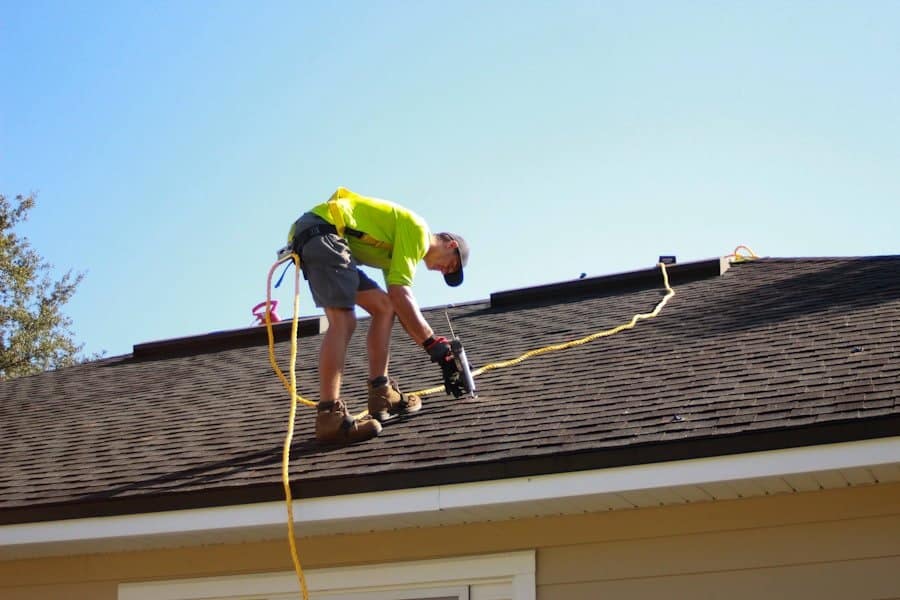
To fully appreciate the importance of professional installation, we should familiarize ourselves with the roofing installation process. This process typically begins with a thorough inspection of our existing roof, allowing contractors to identify any underlying issues that need addressing before installation begins. Once any necessary repairs are made, the next step involves preparing the roof deck by ensuring it is clean and free from debris. This preparation is vital for ensuring proper adhesion and longevity of the new roofing material.
After preparation, the actual installation can commence. Depending on the chosen material, this may involve laying down underlayment, installing flashing around chimneys and vents, and finally placing the roofing material itself. Each step requires precision and attention to detail to ensure that the roof is watertight and secure. Once installation is complete, a final inspection is conducted to verify that everything has been executed correctly. Understanding this process helps us appreciate the skill and effort that goes into installing a roof properly.
Hiring a Qualified Roofing Contractor
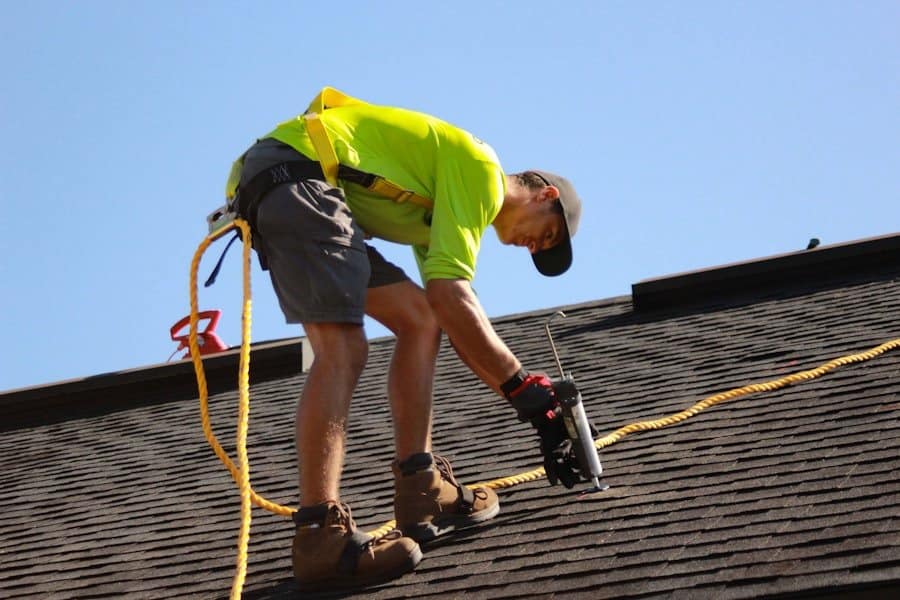
Finding a qualified roofing contractor is one of the most critical steps we can take in ensuring a successful roofing project. With so many options available, it’s essential to do our due diligence when selecting a contractor. We should start by seeking recommendations from friends or family who have had positive experiences with local contractors. Online reviews and ratings can also provide valuable insights into a contractor’s reputation and reliability.
Once we have a shortlist of potential contractors, we should take the time to interview them. Asking about their experience, licensing, insurance coverage, and warranties can help us gauge their professionalism and commitment to quality work. It’s also wise to request references from previous clients to get a sense of their workmanship and customer service. By investing time in finding a qualified contractor, we can significantly reduce the risk of encountering issues during or after the installation process.
When considering roof installation, it’s essential to understand the various factors that can influence the process and outcome. For those interested in commercial properties, a detailed overview can be found in a related article that discusses the intricacies of commercial roof installation in Ohio. This resource provides valuable insights into materials, techniques, and best practices that can help ensure a successful roofing project.
Ensuring Proper Ventilation and Insulation
| Metric | Value | Unit | Description |
|---|---|---|---|
| Average Installation Time | 3 | Days | Typical duration to complete a standard residential roof installation |
| Material Types | Asphalt Shingles, Metal, Tile, Wood Shingles | Types | Common roofing materials used in installations |
| Roof Pitch Range | 2:12 to 12:12 | Ratio | Typical slope range for residential roofs |
| Average Cost per Square Foot | 4 to 8 | Units | Cost range for roof installation excluding labor |
| Warranty Period | 20 to 50 | Years | Manufacturer warranty duration for roofing materials |
| Labor Hours per 1000 sq ft | 40 | Hours | Estimated labor time required for installation per 1000 square feet |
| Average Roof Lifespan | 20 to 30 | Years | Expected lifespan of a typical asphalt shingle roof |
Proper ventilation and insulation are often overlooked aspects of roofing that play a vital role in maintaining the health of our homes. Adequate ventilation helps regulate temperature and moisture levels in our attics, preventing issues such as ice dams in winter and excessive heat buildup in summer. When we ensure that our roofs are properly ventilated, we not only extend the lifespan of our roofing materials but also improve energy efficiency throughout our homes.
Insulation works hand-in-hand with ventilation to create a comfortable living environment. By insulating our attics effectively, we can minimize heat loss during colder months and reduce cooling costs during warmer months. This combination of proper ventilation and insulation contributes to a more energy-efficient home while also preventing potential problems like mold growth or structural damage caused by trapped moisture. As we consider our roofing project, it’s essential to prioritize these elements for optimal performance.
When considering roof installation, it’s essential to choose a reliable contractor who understands the nuances of the job. An informative resource on this topic can be found in an article about various roofing companies in New Albany, which highlights the importance of selecting a qualified team for your roofing needs. For more insights, you can read the article here. This information can help you make an informed decision and ensure that your roof installation is handled professionally.
Maintenance and Long-Term Care
Learn more about our services and commitment by visiting our About Us page.
Once our new roof is installed, our responsibility doesn’t end there; regular maintenance is crucial for ensuring its longevity and performance. We should establish a routine inspection schedule to check for any signs of wear or damage, such as missing shingles or leaks. By addressing these issues promptly, we can prevent more significant problems down the line that could lead to costly repairs.
In addition to inspections, we should also prioritize cleaning our roofs and gutters regularly. Debris accumulation can lead to water pooling and potential leaks, so keeping these areas clear is essential for maintaining the integrity of our roofs. Furthermore, we should be mindful of any overhanging branches that could pose a risk during storms or high winds. By taking proactive measures in maintaining our roofs, we can ensure they remain in excellent condition for years to come.
Maximizing Energy Efficiency
In today’s world, maximizing energy efficiency is more important than ever, both for environmental reasons and cost savings. Our roofs play a significant role in regulating energy consumption within our homes. By choosing energy-efficient roofing materials and ensuring proper insulation and ventilation, we can significantly reduce our heating and cooling costs.
Reflective roofing materials are an excellent option for those looking to enhance energy efficiency. These materials reflect sunlight rather than absorbing it, helping to keep our homes cooler during hot summer months. Additionally, incorporating features such as solar panels can further increase energy efficiency while providing renewable energy sources for our households. By prioritizing energy efficiency in our roofing choices, we not only contribute to a more sustainable future but also enjoy lower utility bills.
Investing in Quality Materials and Workmanship
Ultimately, investing in quality materials and workmanship is paramount when it comes to roofing projects. While it may be tempting to opt for cheaper materials or cut corners during installation to save money upfront, this approach often leads to more significant expenses down the line due to repairs or replacements needed sooner than expected. High-quality materials may come with a higher initial cost but offer superior durability and performance over time.
Moreover, skilled workmanship ensures that every aspect of the installation process is executed correctly, minimizing the risk of future issues. When we invest in quality from both materials and labor perspectives, we are making a long-term investment in the safety and comfort of our homes. By prioritizing quality over cost-cutting measures, we can enjoy peace of mind knowing that our roofs will stand strong against whatever nature throws at them.
In conclusion, navigating the complexities of roofing requires careful consideration at every stage—from professional installation to ongoing maintenance. By understanding the importance of each aspect discussed above, we can make informed decisions that enhance the longevity and performance of our roofs while ensuring the safety and comfort of our homes for years to come.
FAQs
What are the common types of roofing materials used in roof installation?
Common roofing materials include asphalt shingles, metal roofing, wood shakes, clay or concrete tiles, and slate. Each material varies in durability, cost, and aesthetic appeal.
How long does a typical roof installation take?
The duration of a roof installation depends on the size and complexity of the roof, weather conditions, and the type of materials used. Generally, it can take anywhere from a few days to a couple of weeks.
What factors affect the cost of roof installation?
Costs are influenced by the roofing material chosen, the size and pitch of the roof, labor rates, removal of old roofing, and any additional features like skylights or ventilation systems.
Is a permit required for roof installation?
Permit requirements vary by location. Many municipalities require a building permit for roof installation to ensure compliance with local building codes and safety standards.
How can I maintain my roof after installation?
Regular inspections, cleaning gutters, removing debris, and addressing minor repairs promptly can help maintain the roof’s condition and extend its lifespan. It is also advisable to schedule professional inspections periodically.