When we embark on the journey of selecting roof shingles, we quickly realize that the variety available can be overwhelming. Each type of shingle comes with its own set of characteristics, advantages, and disadvantages. Asphalt shingles, for instance, are among the most popular choices due to their affordability and ease of installation. They are available in a range of colors and styles, making them versatile for various architectural designs. On the other hand, wood shingles and shakes offer a natural aesthetic that appeals to many homeowners. While they provide a rustic charm, they require more maintenance and are susceptible to rot and insect damage.
Metal shingles are another option that has gained traction in recent years. They are known for their durability and longevity, often lasting up to 50 years or more. Additionally, they can reflect heat, which may help in reducing energy costs. Slate and tile shingles, while more expensive, offer a unique elegance and can significantly enhance the curb appeal of a home. However, their weight necessitates a sturdy roof structure, which can add to the overall cost of installation. By understanding these different types of shingles, we can better assess which option aligns with our needs and preferences.
If you’re considering upgrading your roof, it’s essential to explore various options, including roof shingles, which are popular for their durability and aesthetic appeal. For a comprehensive understanding of roofing solutions, you can check out this related article on commercial roof installation in Ohio, which discusses different roofing materials and their benefits. For more information, visit this article.
Key Takeaways
- There are various types of roof shingles including asphalt, wood, metal, and slate, each with their own unique characteristics and benefits.
- Consider the climate and weather conditions of your area when choosing shingles to ensure they can withstand the elements and provide adequate protection for your home.
- The aesthetic appeal of shingles can greatly impact the overall look of your home, so take into account the color, texture, and style options available.
- Evaluate the longevity and durability of shingles to determine which material will provide the best long-term investment for your roof.
- Compare the cost and budget for different shingle materials, taking into consideration not only the initial installation cost but also the potential maintenance and repair expenses over time.
- Explore the environmental impact of various shingle options, including their recyclability and energy efficiency, to make an eco-friendly choice for your home.
- Consult with a professional roofing contractor to get expert advice on the best shingle options for your specific needs and budget.
- Make the final decision based on all the factors considered and proceed with the installation process with the help of a qualified roofing contractor.
Considering the Climate and Weather Conditions
As we consider our roofing options, it is crucial to take into account the climate and weather conditions in our area. Different shingles perform better under specific environmental circumstances. For instance, in regions prone to heavy rainfall or snow, we might lean towards materials that offer superior waterproofing capabilities. Asphalt shingles with a higher granule rating can provide better protection against water infiltration, while metal roofs are excellent for shedding snow and ice.
Conversely, in areas with extreme heat or intense sunlight, we should consider materials that can withstand high temperatures without warping or fading. Reflective metal shingles or specially coated asphalt shingles can help keep our homes cooler during scorching summers. Additionally, if we live in a region prone to hurricanes or strong winds, we must choose shingles that are rated for high wind resistance. By carefully evaluating our local climate and weather patterns, we can select roofing materials that will not only protect our homes but also enhance their longevity.
Assessing the Aesthetic Appeal of Different Shingle Options

A roof is not just a protective barrier; it also plays a significant role in the overall aesthetic appeal of our homes. As we explore different shingle options, we should consider how each type complements our home’s architectural style and color scheme. Asphalt shingles come in a wide array of colors and textures, allowing us to customize our roofs to match our personal taste. Whether we prefer a classic look or something more modern, there is likely an asphalt option that fits our vision.
Wood shingles and shakes offer a timeless beauty that can enhance the charm of traditional homes. Their natural appearance can create a warm and inviting atmosphere, but we must also consider the potential for fading over time. On the other hand, metal roofs can provide a sleek and contemporary look that appeals to many modern homeowners. With various finishes available, including matte and glossy options, metal shingles can be tailored to suit our desired aesthetic. Ultimately, as we assess the aesthetic appeal of different shingle options, we should strive for a balance between beauty and functionality.
Evaluating the Longevity and Durability of Shingles
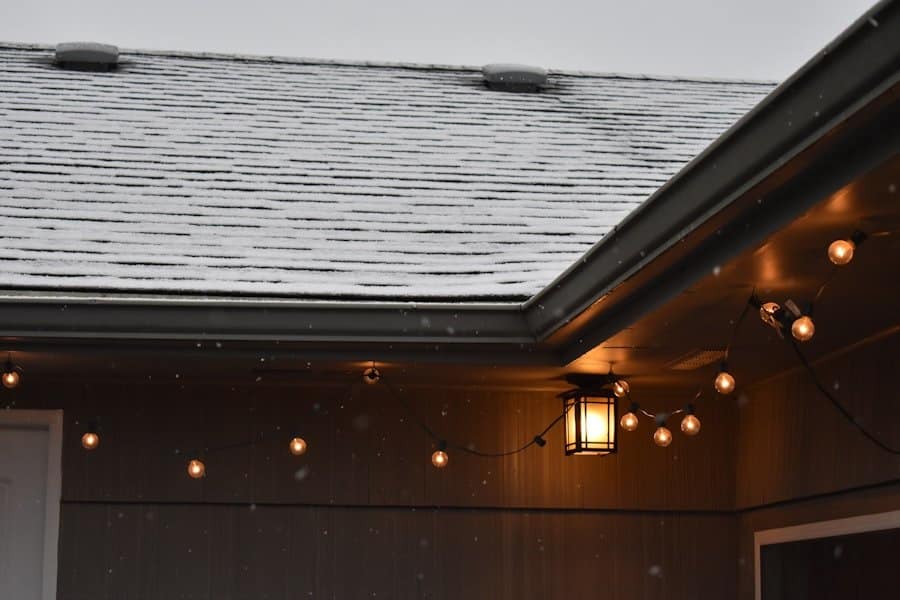
Longevity and durability are critical factors in our decision-making process when selecting roof shingles. We want to invest in materials that will stand the test of time and require minimal maintenance. Asphalt shingles typically last around 20 to 30 years, depending on their quality and installation. While they are cost-effective upfront, we should consider their lifespan when evaluating long-term value.
In contrast, metal roofs can last significantly longer—often exceeding 50 years—making them an attractive option for those looking for durability. Slate and tile roofs also boast impressive lifespans, sometimes lasting over a century with proper care. However, these materials come with higher initial costs and may require specialized installation techniques. As we evaluate the longevity and durability of various shingle options, it is essential to weigh these factors against our budget and long-term plans for our homes.
When considering roof shingles for your home, it’s essential to understand the various options available and how they can impact your property’s overall aesthetics and durability. For those looking to make an informed decision, a helpful resource is an article that discusses the top roofing companies and offers insights into choosing the best one for your needs. You can read more about it here. This information can guide you in selecting the right materials and professionals to ensure your roof is both functional and visually appealing.
Comparing the Cost and Budget for Different Shingle Materials
| Roof Shingles | Metrics |
|---|---|
| Material | Asphalt, wood, metal, slate, etc. |
| Life Expectancy | 20-50 years depending on material |
| Cost | Varies based on material and size of roof |
| Installation | Professional installation required |
| Maintenance | Periodic inspection and repair |
Budget considerations play a pivotal role in our roofing decisions. As we compare different shingle materials, we must take into account not only the initial costs but also the long-term financial implications. Asphalt shingles are generally the most affordable option on the market, making them an attractive choice for budget-conscious homeowners. However, while they may save us money upfront, their shorter lifespan could lead to higher replacement costs down the line.
On the other hand, investing in higher-end materials like metal or slate shingles may require a more substantial initial investment but can pay off in terms of longevity and reduced maintenance costs over time. It’s essential for us to create a comprehensive budget that includes not just the cost of materials but also installation fees and potential future repairs or replacements. By carefully comparing costs across different shingle types, we can make an informed decision that aligns with both our financial situation and our long-term goals.
Exploring the Environmental Impact of Various Shingle Options
Sure, here is the sentence with the clickable link:
Learn more About Us at About Us.
In today’s world, environmental considerations are becoming increasingly important in our decision-making processes. As we explore different shingle options, we should be mindful of their environmental impact. Asphalt shingles are widely used but are not biodegradable and can contribute to landfill waste when replaced. However, some manufacturers are now producing asphalt shingles made from recycled materials, which can help mitigate this issue.
Metal roofs stand out as an environmentally friendly option due to their recyclability at the end of their life cycle. Additionally, they often contain a significant percentage of recycled content themselves. Furthermore, reflective metal roofs can help reduce energy consumption by keeping homes cooler in hot climates. Wood shingles offer a natural aesthetic but require sustainable sourcing practices to ensure they do not contribute to deforestation. By exploring the environmental impact of various shingle options, we can make choices that align with our values while still meeting our roofing needs.
Consulting with a Professional Roofing Contractor
As we navigate the complexities of selecting roof shingles, consulting with a professional roofing contractor becomes invaluable. These experts possess extensive knowledge about different materials and their suitability for various climates and architectural styles. They can provide us with insights into local building codes and regulations that may affect our choices.
Moreover, a professional contractor can help us assess our current roof’s condition and determine whether repairs or complete replacement is necessary. They can also guide us through the installation process, ensuring that it is done correctly to maximize the lifespan of our chosen shingles. By collaborating with a roofing contractor, we can gain confidence in our decisions and ensure that our investment is well-protected.
Making the Final Decision and Installation Process
After thorough research and consideration of all factors—types of shingles, climate conditions, aesthetic appeal, longevity, cost, environmental impact, and professional advice—we arrive at the crucial moment of making our final decision. This step requires us to weigh all gathered information against our personal preferences and practical needs. We may find ourselves drawn to a particular material based on its appearance or durability but must also consider how it fits within our budgetary constraints.
Once we have made our choice, it’s time to move forward with the installation process. This phase involves coordinating with our roofing contractor to schedule the work and prepare our home for any necessary preparations before installation begins. We should ensure that all materials are ordered in advance to avoid delays during the project. As installation progresses, staying engaged with the contractor allows us to address any concerns or questions that may arise promptly.
In conclusion, selecting roof shingles is a multifaceted decision that requires careful consideration of various factors ranging from material types to environmental impacts. By understanding these elements and consulting with professionals along the way, we can make informed choices that enhance both the functionality and beauty of our homes for years to come.
FAQs
What are roof shingles?
Roof shingles are a type of roofing material that consists of individual overlapping elements. They are typically flat and rectangular in shape and are used to cover and protect the roof of a building.
What are the different types of roof shingles?
There are several types of roof shingles, including asphalt shingles, wood shingles, metal shingles, slate shingles, and composite shingles. Each type has its own unique characteristics and benefits.
How long do roof shingles typically last?
The lifespan of roof shingles can vary depending on the type of material used and the climate in which they are installed. On average, asphalt shingles can last 15-30 years, wood shingles 20-25 years, metal shingles 40-80 years, and slate shingles 50-100 years.
What are the benefits of using roof shingles?
Roof shingles provide protection against the elements, enhance the aesthetic appeal of a building, and can improve energy efficiency. They are also relatively easy to install and maintain.
How can I maintain my roof shingles?
Regular maintenance of roof shingles includes inspecting for damage, cleaning debris, and replacing any damaged or missing shingles. It’s also important to keep gutters clean and ensure proper ventilation in the attic to prevent moisture buildup.