When we think about roof shingles, we often picture a variety of materials and styles that can dramatically influence the overall appearance and functionality of our homes. Roof shingles come in several types, each with its unique characteristics, advantages, and disadvantages. Asphalt shingles are perhaps the most common choice among homeowners due to their affordability and ease of installation.
They are available in a wide range of colors and styles, making them versatile enough to complement various architectural designs. Additionally, asphalt shingles are relatively lightweight, which simplifies the installation process and reduces the structural load on our homes. In contrast, wood shingles and shakes offer a more natural aesthetic that appeals to many homeowners seeking a rustic or traditional look.
While they can provide excellent insulation, we must consider their susceptibility to rot and insect damage. Metal roofing is another option that has gained popularity in recent years. It is known for its durability and longevity, often lasting two to three times longer than traditional asphalt shingles.
Moreover, metal roofs can be made from recycled materials, making them an environmentally friendly choice. Finally, slate and tile shingles are luxurious options that can elevate the appearance of our homes but come with a higher price tag and require more structural support due to their weight. Learn more about our roofing contractor services by visiting About Us.
Key Takeaways
- There are various types of roof shingles including asphalt, wood, metal, and slate, each with their own unique characteristics and benefits.
- Factors to consider when choosing roof shingles include climate, architectural style, and budget, as well as the desired aesthetic and durability.
- Durability and longevity are crucial when selecting roof shingles, as they can impact the overall lifespan and maintenance requirements of the roof.
- Energy efficiency and environmental impact should be taken into account, with options such as cool roof shingles and recycled materials available.
- Popular colors and styles of roof shingles include traditional asphalt in shades of gray and brown, as well as more modern options like metal and synthetic slate in various colors and textures.
Factors to Consider When Choosing Roof Shingles
As we embark on the journey of selecting roof shingles, several factors come into play that can significantly impact our decision. One of the primary considerations is our local climate. For instance, if we live in an area prone to heavy rainfall or snow, we may want to opt for shingles that offer superior water resistance and durability.
On the other hand, if we reside in a region with intense sunlight and heat, reflective shingles that can help keep our homes cooler might be more suitable. Understanding the weather patterns in our area allows us to choose shingles that will perform optimally throughout the year. Another crucial factor is the architectural style of our home.
The shingles we select should harmonize with the overall design and aesthetic appeal of our property. For example, a modern home may benefit from sleek metal or flat roofing materials, while a traditional cottage might look best with wood or asphalt shingles that evoke a classic charm. Additionally, we should consider our budget when choosing roof shingles.
While it can be tempting to go for the most visually appealing option, we must balance aesthetics with cost-effectiveness to ensure we make a sound investment in our property.
The Importance of Durability and Longevity
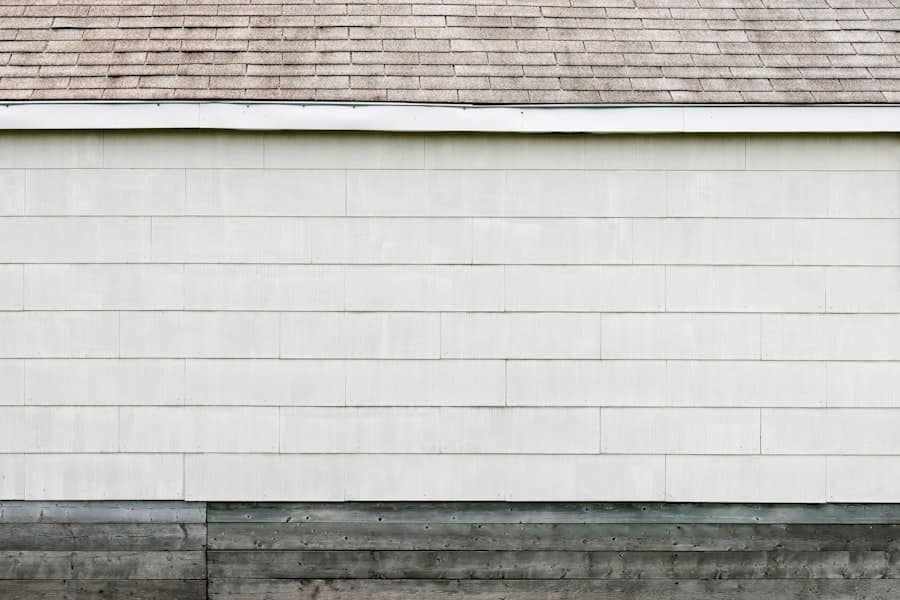
When it comes to roof shingles, durability and longevity are paramount considerations that can save us time and money in the long run. A roof is one of the most significant investments we make in our homes, and choosing shingles that can withstand the test of time is essential for protecting our property from the elements. Durable shingles can resist damage from wind, hail, and UV rays, ensuring that our roofs remain intact and functional for many years.
This resilience not only enhances the safety of our homes but also minimizes the need for frequent repairs or replacements. Moreover, longevity plays a crucial role in determining the overall value of our homes. High-quality shingles that last longer can contribute to increased property value and curb appeal.
When potential buyers see a well-maintained roof with durable shingles, they are more likely to view the home as a sound investment. Therefore, investing in high-quality materials may seem like a higher upfront cost but can yield significant returns over time by reducing maintenance expenses and enhancing resale value.
Energy Efficiency and Environmental Impact of Roof Shingles
| Roof Shingle Type | Energy Efficiency | Environmental Impact |
|---|---|---|
| Asphalt Shingles | Low | High |
| Metal Shingles | High | Low |
| Slate Shingles | High | Low |
In today’s world, energy efficiency has become a critical consideration for homeowners looking to reduce their carbon footprint and lower utility bills. The type of roof shingles we choose can significantly impact our home’s energy efficiency. Reflective shingles, for instance, are designed to reflect sunlight rather than absorb it, helping to keep our homes cooler during hot summer months.
This can lead to reduced reliance on air conditioning systems, ultimately lowering energy consumption and costs. Additionally, we should consider the environmental impact of our roofing materials. Many manufacturers now offer eco-friendly options made from recycled materials or sustainable resources.
By choosing such products, we contribute to reducing waste and promoting sustainability within our communities. Furthermore, some roofing materials are designed to be recyclable at the end of their lifespan, further minimizing their environmental footprint. As we make decisions about roof shingles, it is essential to weigh both energy efficiency and environmental considerations to ensure we are making responsible choices for ourselves and future generations.
Popular Colors and Styles of Roof Shingles
The aesthetic appeal of our homes is often influenced by the colors and styles of roof shingles we choose. A wide array of options is available on the market today, allowing us to express our personal style while enhancing the overall look of our properties. Neutral colors such as gray, brown, and black remain popular choices due to their versatility and ability to complement various architectural designs.
These classic shades can create a timeless look that appeals to a broad range of tastes. On the other hand, bold colors like deep red or blue can make a striking statement and add character to our homes. We may also consider textured shingles that mimic the appearance of wood or slate while providing the benefits of modern materials.
Ultimately, selecting colors and styles that resonate with us while harmonizing with the surrounding environment is essential for creating a cohesive look that enhances our home’s curb appeal.
Budgeting and Cost Considerations for Roof Shingles

Budgeting for roof shingles is an essential step in the decision-making process that requires careful planning and consideration. The cost of roofing materials can vary significantly based on factors such as type, quality, and brand. While asphalt shingles tend to be more affordable upfront, investing in higher-quality materials like metal or slate may yield long-term savings due to their durability and longevity.
As we evaluate our options, it is crucial to consider not only the initial cost but also potential maintenance expenses over time. Additionally, we should factor in installation costs when budgeting for roof shingles. Hiring a professional contractor can ensure proper installation and minimize the risk of future issues related to leaks or structural damage.
While it may be tempting to cut costs by opting for DIY installation, we must weigh the potential risks against the savings. Ultimately, creating a comprehensive budget that accounts for both materials and labor will help us make informed decisions that align with our financial goals.
Hiring a Professional for Installation and Maintenance
When it comes to installing roof shingles, enlisting the help of a professional contractor is often a wise choice that can save us time, effort, and potential headaches down the line. Experienced roofing professionals possess the knowledge and skills necessary to ensure proper installation according to industry standards. This expertise not only enhances the longevity of our roofs but also minimizes the risk of costly mistakes that could arise from improper installation.
Moreover, regular maintenance is crucial for preserving the integrity of our roofs over time. A professional contractor can provide valuable insights into routine inspections and maintenance tasks that will help extend the lifespan of our shingles. By establishing a relationship with a trusted roofing professional, we can ensure that our roofs remain in optimal condition while addressing any issues promptly before they escalate into more significant problems.
Maintaining and Caring for Your Roof Shingles
Once we’ve chosen and installed our roof shingles, ongoing maintenance becomes essential for ensuring their longevity and performance. Regular inspections are vital for identifying potential issues such as loose or damaged shingles, debris buildup, or signs of water infiltration. By conducting routine checks at least twice a year—preferably in spring and fall—we can catch problems early on and address them before they lead to more extensive damage.
Additionally, keeping gutters clean and free from debris is crucial for preventing water backup that could compromise our roof’s integrity. We should also be mindful of overhanging branches that could scrape against shingles during storms or high winds. By taking proactive steps to maintain our roofs, we not only protect our investment but also enhance the overall safety and comfort of our homes.
In conclusion, understanding different types of roof shingles is just the beginning of making informed decisions about our roofing needs. By considering factors such as durability, energy efficiency, aesthetics, budgeting, professional installation, and ongoing maintenance, we can ensure that our roofs remain functional and visually appealing for years to come. Ultimately, investing time and effort into selecting the right roof shingles will pay off in terms of both financial savings and peace of mind as we protect one of our most significant investments—our homes.
When considering roof shingles for your home, it’s essential to understand the various options available and their benefits. For homeowners in Columbus, a comprehensive guide on roofing contractors can provide valuable insights into selecting the right materials and services. You can read more about this in the article on roofing contractors in Columbus, OH. This resource will help you make informed decisions about your roofing project.
FAQs
What are roof shingles?
Roof shingles are a type of roofing material that consists of individual overlapping elements. They are typically flat and rectangular in shape and are used to cover and protect the roof of a building.
What are the different types of roof shingles?
There are several types of roof shingles, including asphalt shingles, wood shingles, metal shingles, slate shingles, and composite shingles. Each type has its own unique characteristics and benefits.
What are the benefits of using roof shingles?
Roof shingles provide protection for the roof of a building, as well as adding aesthetic appeal. They are durable, weather-resistant, and come in a variety of colors and styles to suit different architectural designs.
How long do roof shingles typically last?
The lifespan of roof shingles can vary depending on the type of material used and the climate in which they are installed. Generally, asphalt shingles can last 15-30 years, wood shingles 20-25 years, metal shingles 40-80 years, and slate shingles 50-100 years.
How are roof shingles installed?
Roof shingles are typically installed by overlapping each individual shingle in a specific pattern to ensure proper water drainage and protection. The installation process may vary depending on the type of shingles being used and the design of the roof. It is recommended to hire a professional roofing contractor for installation.