When we encounter a problem, whether it be in our homes or workplaces, it is crucial for us to first understand the nature of the issue at hand. This understanding serves as the foundation for all subsequent actions we may take. For instance, if we notice water stains on our ceiling, we must consider the potential sources of the leak.
Is it a plumbing issue, or could it be related to the roof? By identifying the root cause, we can avoid making hasty decisions that might lead to further complications. Moreover, understanding the problem allows us to gauge its severity.
Some issues may be minor and easily fixable, while others could indicate significant structural damage. By taking the time to analyze the situation thoroughly, we can prioritize our efforts and allocate resources effectively. This initial assessment is not just about recognizing what is wrong; it is about gathering information that will guide us in making informed choices moving forward. Learn more About Us at
After ensuring our safety, we can turn our attention to assessing the damage itself. This step is critical in determining the extent of repairs needed and helps us formulate a plan of action. We should begin by examining the affected area closely, looking for signs of deterioration or structural issues.
For example, if we are dealing with water damage, we need to check for mold growth, rotting wood, or compromised insulation. Documenting these findings can be beneficial for future reference and may also be required if we decide to file an insurance claim. Furthermore, assessing the damage allows us to estimate the time and resources required for repairs.
By understanding what we are up against, we can create a realistic timeline and budget. This assessment phase is not merely about identifying problems; it is also an opportunity for us to strategize effectively. We can weigh our options and decide whether we can tackle the repairs ourselves or if it would be wiser to enlist professional help.
Choosing the Right Materials
Once we have a clear picture of the damage and a plan in place, we must focus on choosing the right materials for repairs. The materials we select can significantly impact the durability and appearance of our work. It is essential for us to consider factors such as compatibility with existing structures, weather resistance, and aesthetic appeal.
For instance, if we are repairing a roof, we should choose shingles that not only match our home’s style but also withstand local weather conditions. Additionally, we should take into account the long-term implications of our material choices. While it may be tempting to opt for cheaper alternatives, investing in high-quality materials can save us money in the long run by reducing maintenance needs and extending the lifespan of our repairs.
We should also consider sustainability; selecting eco-friendly materials can contribute positively to our environment while enhancing our property’s value.
Proper Installation Techniques
| Metric | Description | Typical Range | Unit |
|---|---|---|---|
| Average Repair Cost | Typical cost to repair a roof depending on damage extent | 300 – 1,500 | USD |
| Repair Time | Time required to complete common roof repairs | 1 – 3 | Days |
| Roof Lifespan Extension | Additional years added to roof life after repair | 5 – 15 | Years |
| Common Repair Types | Most frequent types of roof repairs performed | Leak Fix, Shingle Replacement, Flashing Repair | Types |
| Material Used | Common materials used in roof repair | Asphalt Shingles, Metal, Tile, Rubber Membrane | Materials |
| Warranty Period | Typical warranty offered on roof repairs | 1 – 5 | Years |
| Inspection Frequency | Recommended frequency for roof inspections to prevent major repairs | 1 – 2 | Years |
With our materials selected, it is time to focus on proper installation techniques. The way we install materials can make a significant difference in the effectiveness and longevity of our repairs. We should familiarize ourselves with best practices specific to the materials we are using.
For example, if we are laying flooring, understanding how to properly acclimate the material and secure it can prevent future issues such as warping or buckling. Moreover, attention to detail during installation cannot be overstated. We must ensure that every step is executed with precision, from measuring accurately to following manufacturer guidelines.
Taking shortcuts may seem tempting when time is of the essence, but this often leads to problems down the line. By committing to thorough and careful installation practices, we can ensure that our repairs stand the test of time.
Regular Maintenance
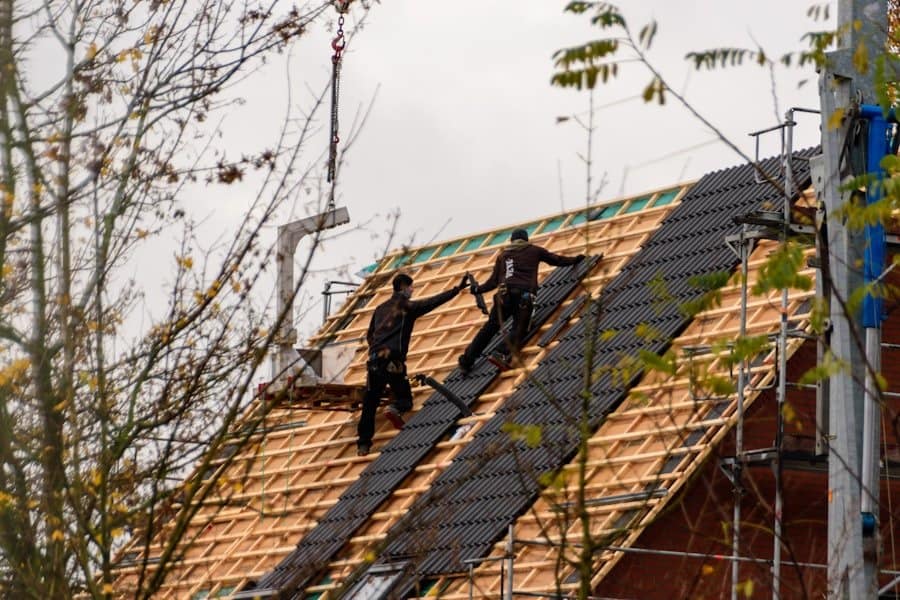
After completing our repairs, regular maintenance becomes paramount in preserving our work and preventing future issues. Maintenance is not just about fixing problems as they arise; it is about being proactive in caring for our property. We should establish a routine that includes regular inspections of repaired areas and addressing any signs of wear or damage promptly.
For instance, checking for leaks in plumbing systems or inspecting roofs after severe weather can help us catch potential problems early. Additionally, maintaining a clean environment around our repairs is essential. Accumulated debris or moisture can lead to deterioration over time.
By keeping areas tidy and addressing minor issues before they escalate, we can extend the life of our repairs and maintain the overall integrity of our property. Regular maintenance is an investment in our home’s future and contributes significantly to its value.
Hiring a Professional
While many repairs can be tackled independently, there are instances when hiring a professional is the best course of action. Recognizing when to seek help is crucial for ensuring quality results and safety. If we find ourselves facing complex issues beyond our expertise or if time constraints prevent us from completing repairs adequately, enlisting a professional can provide peace of mind.
When hiring a professional, it is essential for us to conduct thorough research. We should seek recommendations from trusted sources and check reviews to ensure that we are choosing someone with a solid reputation. Additionally, obtaining multiple quotes allows us to compare services and pricing effectively.
By taking these steps, we can find a qualified professional who aligns with our needs and budget while ensuring that our repairs are completed to a high standard.
Insurance and Warranties
Finally, as we navigate repairs and renovations, understanding insurance and warranties is vital for protecting our investment. Many homeowners’ insurance policies cover specific types of damage; therefore, it is prudent for us to review our policy details before commencing any work. In some cases, filing a claim may alleviate financial burdens associated with repairs.
Moreover, warranties on materials and workmanship provide an added layer of security. When purchasing materials or hiring professionals, we should inquire about warranty options available to us. A solid warranty can offer reassurance that if issues arise after installation or repair, we will have recourse for resolution without incurring additional costs.
By being informed about insurance coverage and warranties, we can safeguard ourselves against unforeseen challenges in the future. In conclusion, navigating home repairs requires a comprehensive approach that encompasses understanding problems, prioritizing safety, assessing damage accurately, choosing appropriate materials, employing proper installation techniques, committing to regular maintenance, knowing when to hire professionals, and being aware of insurance and warranty options. By following these steps diligently, we can ensure that our efforts yield lasting results while enhancing both the functionality and aesthetic appeal of our spaces.
If you’re considering roof repair, it’s essential to understand the various options available to you. For instance, you might find it helpful to read about the services offered by local professionals. A related article that provides insights into urgent situations is Emergency Roof Repair, which discusses what to do when you face unexpected roofing issues. This resource can guide you through the necessary steps to take when immediate action is required.
FAQs
What are common signs that my roof needs repair?
Common signs include missing or damaged shingles, leaks inside the home, water stains on ceilings or walls, sagging roof areas, and visible wear around chimneys or vents.
How long does a typical roof repair take?
The duration depends on the extent of the damage but minor repairs can often be completed within a day, while more extensive repairs may take several days.
Can I repair my roof myself, or should I hire a professional?
While minor repairs like replacing a few shingles can be done by homeowners with proper safety precautions, it is generally recommended to hire a professional for significant repairs to ensure safety and quality.
What materials are commonly used for roof repairs?
Common materials include asphalt shingles, metal sheets, roofing cement, sealants, flashing, and underlayment, depending on the roof type and damage.
How much does roof repair typically cost?
Costs vary widely based on the damage extent, roof size, and materials used, but minor repairs can range from a few hundred to a few thousand dollars.
Will my homeowner’s insurance cover roof repairs?
Coverage depends on the cause of the damage and your insurance policy. Damage from storms or accidents is often covered, while wear and tear or lack of maintenance usually is not.
How can I prevent future roof damage?
Regular inspections, cleaning gutters, trimming overhanging branches, and addressing minor issues promptly can help prevent major roof damage.
When is it better to replace the roof instead of repairing it?
If the roof has widespread damage, is very old, or repairs would be more costly than replacement, it is usually better to replace the entire roof.