As homeowners, we often find ourselves wondering when it’s time to replace our roofs. There are several telltale signs that indicate a roof replacement is necessary. One of the most obvious signs is the presence of missing or damaged shingles.
If we notice that shingles are curling, buckling, or completely missing, it’s a clear indication that our roof may no longer be able to protect our home effectively. Additionally, if we observe granules from shingles accumulating in our gutters, it suggests that the shingles are deteriorating and losing their protective coating. Another critical sign to watch for is water damage inside our homes.
If we see stains on our ceilings or walls, or if we experience leaks during rainstorms, it’s time to take action. These issues can lead to more significant problems, such as mold growth and structural damage, if left unaddressed. Furthermore, if our roof is nearing the end of its expected lifespan—typically around 20 to 25 years for asphalt shingles—it’s wise to start considering a replacement before issues arise.
By being proactive and recognizing these signs early, we can save ourselves from more extensive repairs down the line. Learn more About Us at About Us.
Key Takeaways
- Recognize key signs like leaks and aging to know when to replace your roof.
- Select roofing materials based on durability, climate, and aesthetic preferences.
- Understand each step of the roof replacement process to ensure quality work.
- Hire experienced, reputable contractors to guarantee a successful roof installation.
- Use energy-efficient roofing options to reduce costs and improve home comfort.
Choosing the Right Material for Your New Roof
When it comes to selecting the right material for our new roof, we have a plethora of options available to us. Each roofing material comes with its own set of advantages and disadvantages, making it essential for us to consider factors such as durability, cost, and aesthetic appeal. Asphalt shingles are one of the most popular choices due to their affordability and ease of installation.
They come in various colors and styles, allowing us to customize the look of our home while staying within budget. On the other hand, if we are looking for longevity and superior performance, materials like metal or slate may be worth considering. Metal roofs are known for their durability and energy efficiency, often lasting 50 years or more with proper maintenance.
Slate roofs, while more expensive, offer an unmatched elegance and can last over a century. As we weigh our options, it’s crucial to consider our local climate as well; some materials perform better in specific weather conditions than others. By carefully evaluating our needs and preferences, we can choose a roofing material that not only enhances our home’s functionality but also complements its overall design.
Understanding the Roof Replacement Process
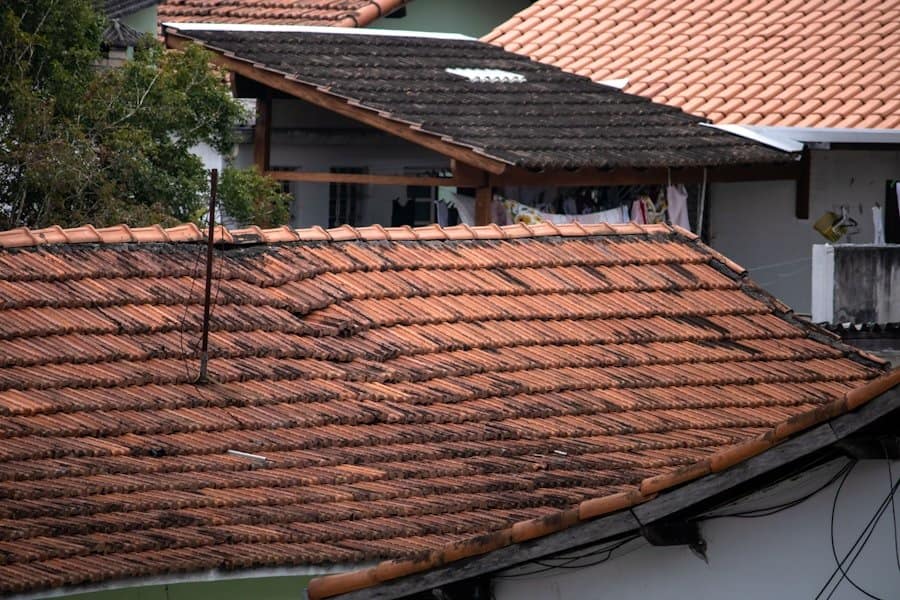
The roof replacement process can seem daunting at first, but understanding the steps involved can help alleviate some of our concerns. Initially, we should begin with a thorough inspection of our existing roof by a qualified professional. This assessment will help determine whether a full replacement is necessary or if repairs can suffice.
Once we’ve established that a replacement is needed, we can move forward with selecting materials and obtaining necessary permits. After finalizing our choices, the actual replacement process begins. This typically involves removing the old roofing material, inspecting the underlying structure for damage, and making any necessary repairs before installing the new roof.
It’s essential for us to be aware that this process can take several days, depending on the size of our home and the complexity of the roof design. Throughout this time, we should remain in communication with our contractor to ensure everything is proceeding as planned. By understanding each step of the process, we can feel more confident and prepared as we embark on this significant home improvement project.
Hiring the Right Roofing Contractor
Finding the right roofing contractor is crucial to ensuring a successful roof replacement. We should start by seeking recommendations from friends, family, or neighbors who have recently had work done on their roofs. Online reviews and ratings can also provide valuable insights into a contractor’s reputation and reliability.
Once we have a list of potential candidates, it’s essential to conduct interviews and ask pertinent questions about their experience, licensing, insurance, and warranties. Moreover, obtaining multiple quotes can help us gauge the average cost of the project while allowing us to compare services offered by different contractors. It’s important not to choose solely based on price; instead, we should consider the quality of materials and workmanship as well.
A reputable contractor will be transparent about their processes and will provide us with a detailed written estimate outlining all costs involved. By taking the time to research and select a qualified contractor, we can ensure that our roof replacement is handled professionally and efficiently.
Maximizing Energy Efficiency with a New Roof
| Metric | Average Value | Unit | Notes |
|---|---|---|---|
| Average Roof Lifespan | 20-30 | Years | Depends on material and maintenance |
| Typical Roof Replacement Duration | 1-3 | Days | Varies by roof size and complexity |
| Material Cost Range | 3,000-10,000 | Units | Based on roof size and material type |
| Labor Cost Range | 2,000-7,000 | Units | Depends on region and contractor |
| Common Roofing Materials | Asphalt Shingles, Metal, Tile, Wood | N/A | Material choice affects cost and lifespan |
| Energy Efficiency Improvement | 10-20 | Percent | With reflective or cool roofing materials |
| Warranty Period | 20-50 | Years | Varies by manufacturer and material |
One of the significant benefits of replacing our roof is the opportunity to enhance our home’s energy efficiency. An old or damaged roof can lead to significant heat loss during winter months and excessive heat gain in summer, resulting in higher energy bills. By investing in energy-efficient roofing materials and proper insulation during our replacement project, we can create a more comfortable living environment while reducing our energy costs.
Reflective roofing materials are an excellent option for maximizing energy efficiency. These materials are designed to reflect sunlight rather than absorb it, helping to keep our homes cooler during hot weather. Additionally, ensuring proper ventilation in our attic space can further improve energy efficiency by allowing hot air to escape during warmer months.
By focusing on energy efficiency during our roof replacement, we not only save money but also contribute positively to the environment by reducing our overall energy consumption.
Enhancing Curb Appeal with a Stylish Roof
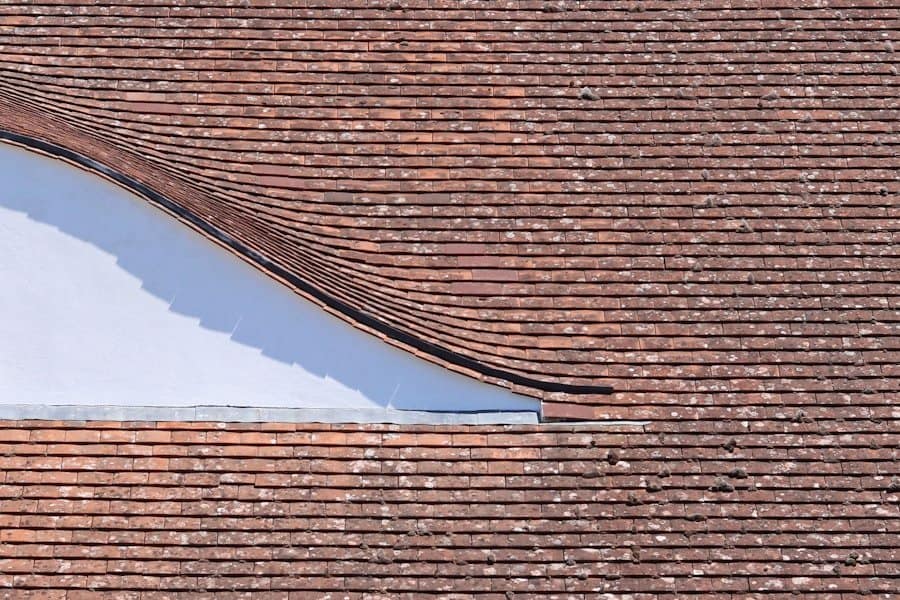
A new roof presents us with an excellent opportunity to enhance our home’s curb appeal significantly. The style and color of our roofing material can dramatically impact how our home is perceived from the street. Whether we prefer a classic look with traditional asphalt shingles or a more modern aesthetic with metal roofing, there are countless options available to suit our tastes.
In addition to choosing stylish materials, we should also consider how our new roof complements other elements of our home’s exterior, such as siding and landscaping. A cohesive design can create a harmonious look that increases our home’s overall value and attractiveness. Furthermore, investing in a stylish roof not only benefits us while we live in the home but can also make it more appealing to potential buyers if we decide to sell in the future.
The Importance of Proper Roof Maintenance
Once we have replaced our roof, it’s essential to prioritize proper maintenance to ensure its longevity and performance. Regular inspections can help us identify potential issues before they escalate into costly repairs. We should make it a habit to check for signs of wear and tear after severe weather events or at least twice a year—once in spring and once in fall.
Additionally, keeping gutters clean and free from debris is crucial for preventing water damage and ensuring proper drainage. We should also be mindful of overhanging branches that could scrape against the roof or drop leaves and debris onto it. By taking these proactive steps in maintaining our new roof, we can extend its lifespan and protect our investment for years to come.
Financing Options for a Roof Replacement
Replacing a roof can be a significant financial undertaking; however, various financing options are available to help ease the burden. Many homeowners choose to finance their roof replacement through personal loans or home equity lines of credit (HELOCs). These options allow us to spread out payments over time while still getting the necessary work done promptly.
Additionally, some roofing contractors offer financing plans that allow us to pay for the project in installments rather than all at once. It’s essential for us to explore all available options and choose one that aligns with our financial situation and budget. By being informed about financing possibilities, we can make a well-rounded decision that allows us to invest in our home without compromising our financial stability.
In conclusion, replacing a roof is a significant decision that requires careful consideration and planning. By recognizing the signs that indicate it’s time for a replacement, choosing the right materials, understanding the process, hiring qualified contractors, maximizing energy efficiency, enhancing curb appeal, maintaining properly, and exploring financing options, we can navigate this journey successfully. Ultimately, investing in a new roof not only protects our home but also enhances its value and aesthetic appeal for years to come.
When considering a roof replacement, it’s essential to choose a reputable contractor to ensure quality workmanship and materials. For guidance on selecting the best roofing company for your needs, you can refer to this informative article on the top roofing companies: Top Roofing Companies: Choosing the Best for Your Home. This resource provides valuable insights that can help you make an informed decision during your roof replacement process.
FAQs
What are the signs that indicate a roof needs replacement?
Common signs include missing or damaged shingles, frequent leaks, visible sagging, extensive granule loss, and the roof being over 20-25 years old.
How long does a typical roof replacement take?
A roof replacement usually takes between one to three days, depending on the size of the roof, weather conditions, and the complexity of the job.
What materials are commonly used for roof replacement?
Common roofing materials include asphalt shingles, metal, wood shakes, slate, tile, and synthetic materials.
How much does a roof replacement typically cost?
Costs vary widely based on materials, roof size, and location, but the average range is between $5,000 and $15,000.
Do I need a permit for roof replacement?
Most local governments require a permit for roof replacement to ensure compliance with building codes. It is best to check with your local building department.
Can I replace my roof myself?
While possible, roof replacement is a complex and potentially dangerous task best handled by professional contractors to ensure safety and quality.
What is the lifespan of a new roof?
The lifespan depends on the material: asphalt shingles last about 20-30 years, metal roofs 40-70 years, and slate or tile roofs can last over 50 years.
Will roof replacement increase my home’s value?
Yes, a new roof can improve curb appeal, increase energy efficiency, and add to the overall value of your home.
How do I choose a roofing contractor?
Look for licensed, insured contractors with good reviews, proper references, and clear written estimates.
What maintenance is required after a roof replacement?
Regular inspections, cleaning gutters, removing debris, and addressing minor repairs promptly help extend the life of a new roof.