When we think about the integrity of our homes, the roof often stands as the unsung hero, shielding us from the elements and providing a sense of security. However, many of us may overlook the importance of regular roof inspections. The primary purpose of these inspections is to assess the condition of our roofs, identifying any issues that may compromise their functionality. By conducting thorough evaluations, we can ensure that our roofs remain in optimal condition, ultimately protecting our investment and enhancing the overall safety of our living spaces.
Moreover, roof inspections serve as a proactive measure against potential problems. They allow us to catch minor issues before they escalate into significant repairs or replacements. By understanding the purpose behind these inspections, we can appreciate their role in maintaining not just the roof itself but also the entire structure of our homes. Regular assessments help us stay ahead of wear and tear, ensuring that our roofs continue to perform their essential duties without interruption.
For those interested in understanding the importance of roof inspections, a related article on roof installation can provide valuable insights into the overall roofing process. This article discusses various aspects of roof installation, including materials, techniques, and the significance of proper inspections to ensure longevity and durability. To read more about it, visit this link.
Key Takeaways
- Regular roof inspections help identify potential hazards and risks, ensuring the safety of occupants and property.
- Extending the lifespan of your roof through regular maintenance and inspections can prevent costly repairs and replacements.
- Compliance with building codes and regulations is essential for the safety and structural integrity of your property.
- Hiring professional roof inspectors can ensure thorough and accurate assessments of your roof’s condition.
- Understanding the purpose of roof inspections is crucial for maintaining the overall health and longevity of your roof.
Identifying Potential Hazards and Risks
As we delve deeper into the realm of roof inspections, we must recognize their critical role in identifying potential hazards and risks. Our roofs are constantly exposed to various environmental factors, including harsh weather conditions, debris accumulation, and even biological growth like moss or algae. These elements can lead to significant damage if left unchecked. Through regular inspections, we can pinpoint vulnerabilities such as loose shingles, cracks, or signs of water infiltration that could pose serious risks to our homes.
In addition to physical damage, roof inspections also help us identify safety hazards that may affect the occupants of our homes. For instance, a compromised roof can lead to leaks that not only damage the interior but also create mold growth, which poses health risks to our families. By being vigilant and proactive in our approach to roof maintenance, we can mitigate these risks and ensure a safe living environment for everyone under our roofs.
Extending the Lifespan of Your Roof
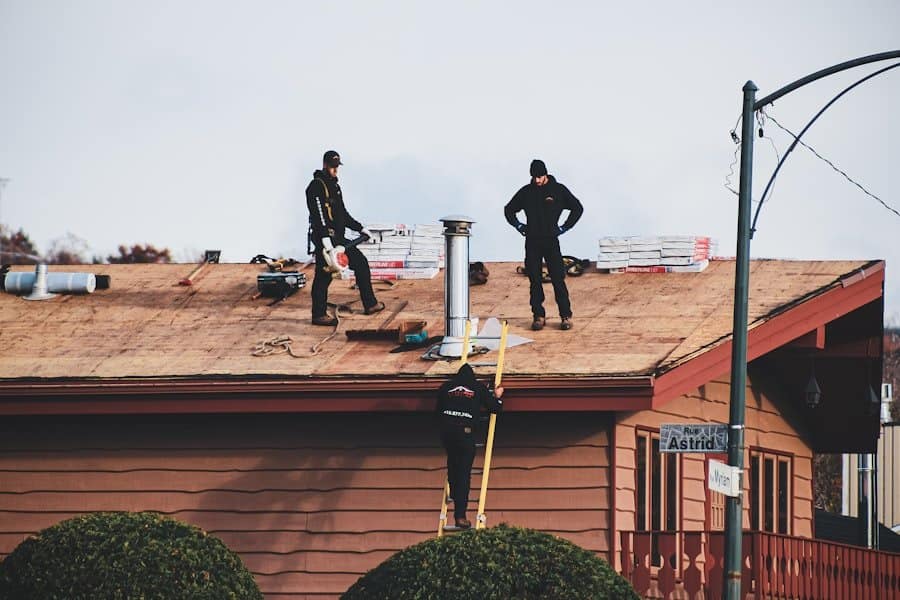
One of the most significant benefits of regular roof inspections is their ability to extend the lifespan of our roofs. Just like any other component of our homes, roofs require care and attention to function effectively over time. By identifying and addressing minor issues early on, we can prevent them from developing into more severe problems that could necessitate costly repairs or even a complete roof replacement. This proactive approach not only saves us money but also maximizes the longevity of our roofing systems.
Furthermore, regular inspections allow us to stay informed about the materials used in our roofs and their specific maintenance needs. Different roofing materials have varying lifespans and care requirements. By understanding these nuances through inspections, we can tailor our maintenance efforts accordingly, ensuring that we are doing everything possible to prolong the life of our roofs. In this way, we not only protect our investment but also contribute to a more sustainable approach to homeownership.
Ensuring Safety for Occupants and Property
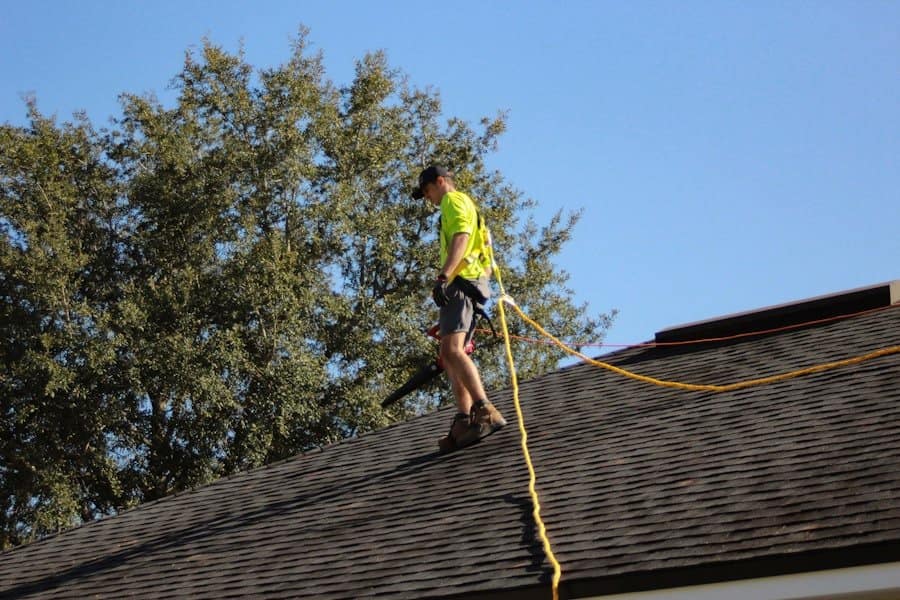
Safety is paramount when it comes to our homes, and roof inspections play a crucial role in ensuring that safety is maintained. A compromised roof can lead to various hazards, including structural damage and potential injuries to occupants. By conducting regular inspections, we can identify issues that may pose risks, such as sagging areas or weakened support structures. Addressing these concerns promptly helps us safeguard not only our property but also the well-being of those who live within it.
Additionally, a well-maintained roof contributes to the overall safety of our neighborhoods. When we take care of our roofs, we are also contributing to the aesthetic appeal and structural integrity of our communities. A well-kept roof enhances property values and fosters a sense of pride among homeowners. By prioritizing safety through regular inspections, we are not only protecting ourselves but also playing a part in creating a safer environment for everyone around us.
When considering a roof inspection, it’s essential to understand the importance of selecting the right roofing company to ensure quality service. A related article discusses how to choose the best roofing companies for your home, providing valuable insights that can help homeowners make informed decisions. For more information, you can read the article here. This knowledge can be particularly beneficial when preparing for an inspection, as it highlights what to look for in a contractor.
Preventing Costly Repairs and Replacements
| Roof Inspection Metrics | 2019 | 2020 | 2021 |
|---|---|---|---|
| Number of Inspections | 500 | 550 | 600 |
| Average Inspection Time (hours) | 2 | 2.5 | 2.3 |
| Inspection Accuracy (%) | 95% | 96% | 97% |
One of the most compelling reasons for conducting regular roof inspections is the potential for preventing costly repairs and replacements down the line. Many homeowners may be unaware that small issues can quickly escalate into significant problems if left unaddressed. For instance, a minor leak can lead to extensive water damage, mold growth, and even structural compromise if not caught early. By investing in routine inspections, we can identify these issues before they spiral out of control, saving ourselves from unexpected financial burdens.
Moreover, regular inspections allow us to plan for future maintenance needs more effectively. By understanding the current condition of our roofs and anticipating potential issues, we can budget for repairs or replacements accordingly. This proactive approach not only alleviates financial stress but also ensures that we are prepared for any necessary work without feeling overwhelmed by sudden expenses. In this way, regular roof inspections become an essential part of responsible homeownership.
When considering the importance of roof maintenance, a thorough roof inspection can help identify potential issues before they escalate into costly repairs. For those interested in understanding the process of roof installation, you might find this article on roof installation in Westerville, Ohio particularly insightful, as it highlights the key steps involved and the significance of ensuring a solid foundation for your roofing system. Regular inspections paired with proper installation can greatly extend the lifespan of your roof.
Compliance with Building Codes and Regulations
Sure, here is the sentence with the clickable link:
Learn more About Us and our roofing services.
In addition to safeguarding our homes and finances, regular roof inspections help us remain compliant with building codes and regulations. Many municipalities have specific requirements regarding roofing materials, installation practices, and maintenance standards. By conducting routine inspections, we can ensure that our roofs meet these regulations and avoid potential fines or legal issues down the line.
Furthermore, compliance with building codes often translates to enhanced safety and durability for our roofs. These regulations are typically established based on extensive research and best practices within the industry. By adhering to these guidelines through regular inspections, we can be confident that our roofs are built to withstand local weather conditions and other environmental factors. This commitment to compliance not only protects us legally but also contributes to the overall resilience of our homes.
Importance of Regular Maintenance and Inspections
The importance of regular maintenance cannot be overstated when it comes to preserving the integrity of our roofs. Just as we schedule routine check-ups for our health or maintenance for our vehicles, our roofs deserve the same level of attention. Regular inspections allow us to assess the condition of our roofs and address any issues before they escalate into more significant problems. This proactive approach ensures that we are taking care of one of the most critical components of our homes.
In addition to identifying potential issues, regular maintenance helps us stay informed about the specific needs of our roofing materials. Different types of roofs require varying levels of care and attention. By understanding these requirements through routine inspections, we can tailor our maintenance efforts accordingly. This knowledge empowers us to make informed decisions about repairs or replacements when necessary, ultimately contributing to the longevity and performance of our roofs.
Hiring Professional Roof Inspectors
While some homeowners may feel inclined to conduct their own roof inspections, hiring professional roof inspectors offers numerous advantages that should not be overlooked. Professional inspectors possess specialized training and experience that enable them to identify issues that may go unnoticed by an untrained eye. Their expertise allows them to provide comprehensive assessments and recommendations tailored to our specific roofing systems.
Additionally, professional inspectors often have access to advanced tools and technology that enhance their ability to evaluate roofs accurately. From infrared cameras that detect hidden moisture to drones that provide aerial views of hard-to-reach areas, these tools enable them to conduct thorough inspections efficiently. By entrusting this task to professionals, we can ensure that we receive accurate assessments and peace of mind knowing that our roofs are in capable hands.
In conclusion, regular roof inspections are an essential aspect of responsible homeownership that should not be overlooked. They serve multiple purposes: identifying potential hazards and risks, extending the lifespan of our roofs, ensuring safety for occupants and property, preventing costly repairs and replacements, complying with building codes and regulations, emphasizing the importance of maintenance, and highlighting the benefits of hiring professionals for thorough evaluations. By prioritizing these inspections as part of our home maintenance routine, we can protect our investments while ensuring a safe and secure living environment for ourselves and future generations.
FAQs
What is a roof inspection?
A roof inspection is a thorough examination of the condition of a roof, typically performed by a professional roofing contractor. It involves checking for any signs of damage, wear and tear, leaks, and potential issues that may affect the integrity of the roof.
Why is a roof inspection important?
A roof inspection is important because it helps identify any potential problems with the roof before they escalate into costly repairs or replacements. It also ensures the safety and structural integrity of the building, as well as helps in maintaining the overall value of the property.
How often should a roof be inspected?
It is recommended to have a roof inspection at least once a year, especially after severe weather conditions such as heavy storms, hail, or strong winds. Additionally, older roofs or those with a history of issues may require more frequent inspections.
What are the common signs that indicate the need for a roof inspection?
Common signs that indicate the need for a roof inspection include missing or damaged shingles, water stains on the ceiling, sagging areas on the roof, granules from shingles in the gutters, and visible signs of wear and tear.
Who should perform a roof inspection?
A roof inspection should be performed by a qualified and experienced roofing contractor or inspector who has the necessary expertise and knowledge to identify potential issues and provide recommendations for maintenance or repairs.