When we think about home maintenance, the roof often takes a backseat in our minds. However, regular roof inspections are crucial for the longevity and integrity of our homes. By conducting routine checks, we can identify potential issues before they escalate into significant problems. A small leak, if left unchecked, can lead to extensive water damage, mold growth, and even structural issues. Therefore, we must prioritize these inspections as part of our home care routine.
Moreover, regular inspections can save us money in the long run. By catching minor repairs early, we can avoid the hefty costs associated with major renovations. Insurance companies may also look favorably upon homeowners who can demonstrate a history of regular maintenance, potentially leading to lower premiums. In essence, these inspections not only protect our investment but also enhance our peace of mind, knowing that we are taking proactive steps to safeguard our homes.
If you’re considering a new residential roofing project, it’s essential to understand the role of professional roofing contractors in ensuring quality and durability. For insights into selecting the right roofing professionals in your area, you can check out this informative article on roofing contractors in Columbus, OH. It provides valuable tips and guidance that can help you make informed decisions about your roofing needs. You can read more about it here: Roofing Contractors in Columbus, OH.
Key Takeaways
- Regular roof inspections are crucial for early detection of issues and prolonging roof life.
- Selecting roofing materials suited to your climate enhances durability and performance.
- Proper ventilation and insulation are essential for preventing moisture buildup and energy loss.
- Clean gutters regularly to prevent water damage and maintain roof integrity.
- Promptly addressing repairs can save you from more significant, costly problems down the line.
Choosing Durable Roofing Materials for Your Climate
Selecting the right roofing materials is a decision that should not be taken lightly. Different climates demand different types of roofing solutions. For instance, in areas prone to heavy snowfall, we might consider materials that can withstand the weight and prevent ice dams. Conversely, in regions with intense heat and sun exposure, reflective materials that can deflect UV rays may be more appropriate. By understanding our local climate and its specific challenges, we can make informed choices that will benefit our roofs in the long term.
Additionally, durability is a key factor in our selection process. We should look for materials that not only meet aesthetic preferences but also offer resilience against the elements. Asphalt shingles may be popular for their affordability, but metal roofing or slate tiles could provide longer-lasting protection. By investing in high-quality materials suited to our environment, we can ensure that our roofs remain intact and functional for many years to come.
Maintaining Proper Roof Ventilation and Insulation
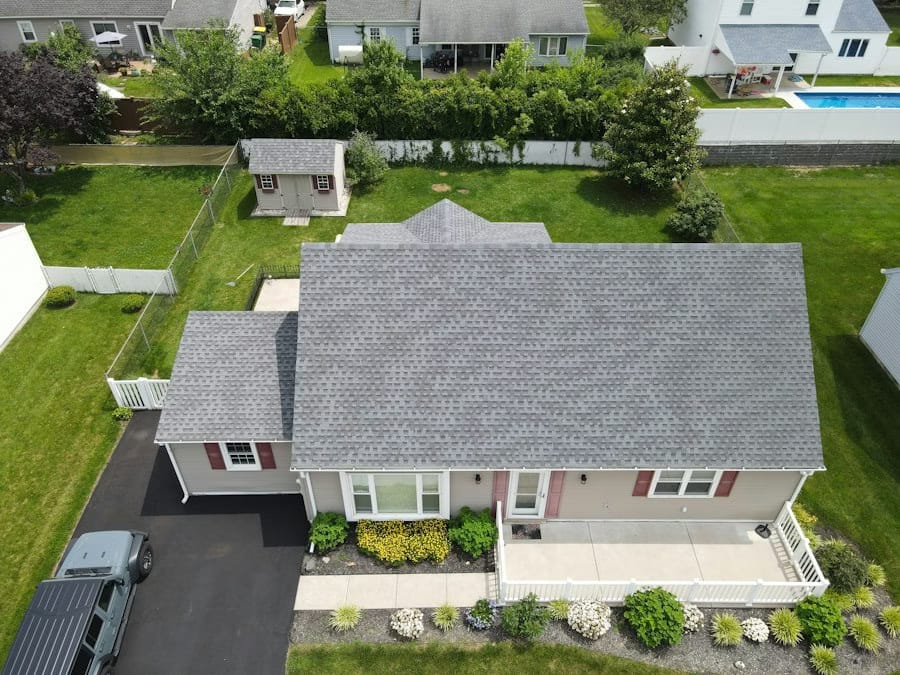
Proper ventilation and insulation are essential components of a healthy roofing system. When we neglect these aspects, we risk creating an environment conducive to moisture buildup and heat retention. This can lead to a host of problems, including mold growth and increased energy costs. By ensuring that our roofs are well-ventilated, we allow for adequate airflow that helps regulate temperature and moisture levels.
Insulation plays a complementary role in this equation. It helps keep our homes warm in winter and cool in summer, reducing the strain on our heating and cooling systems. When we invest in quality insulation and ensure proper ventilation, we not only enhance the comfort of our living spaces but also extend the lifespan of our roofs. This holistic approach to roofing maintenance is vital for preserving both the structure and efficiency of our homes.
Keeping Gutters Clean to Prevent Water Damage
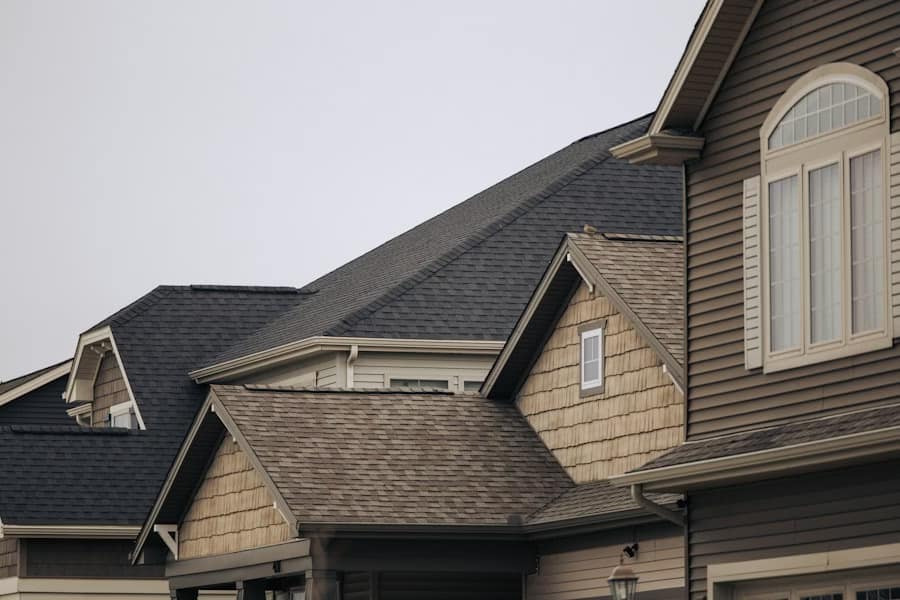
Gutters are often overlooked when it comes to home maintenance, yet they play a critical role in protecting our roofs and foundations from water damage. When we allow debris to accumulate in our gutters, it can lead to blockages that prevent proper drainage. This can cause water to overflow, leading to potential leaks and damage to both the roof and the walls of our homes. Regularly cleaning our gutters is a simple yet effective way to prevent these issues.
In addition to cleaning, we should also consider installing gutter guards or screens to minimize debris buildup. This proactive measure can save us time and effort in the long run while ensuring that our gutters function optimally. By maintaining clean gutters, we create a reliable system for directing water away from our homes, ultimately protecting our roofs and foundations from unnecessary wear and tear.
When considering a new roof for your home, it’s essential to understand the different options available and how to choose the right contractor for the job. A helpful resource on this topic can be found in an article that discusses the top roofing companies and offers guidance on selecting the best one for your needs. You can read more about it in this informative piece on top roofing companies. This information can help ensure that your residential roofing project is completed successfully and meets your expectations.
Addressing Roof Repairs Promptly to Avoid Costly Issues
| Metric | Value | Unit | Description |
|---|---|---|---|
| Average Roof Lifespan | 20-30 | Years | Typical lifespan of asphalt shingle roofs |
| Roof Pitch | 4:12 to 9:12 | Ratio | Common slope range for residential roofs |
| Roofing Material Weight | 2.5-4 | lbs/sq ft | Weight range for asphalt shingles |
| Average Installation Time | 1-3 | Days | Time to install a typical residential roof |
| Energy Efficiency Improvement | 10-15 | Percent | Potential reduction in cooling costs with reflective roofing |
| Typical Roof Size | 1500-2500 | Square Feet | Average size of residential roofs in the US |
| Wind Resistance | 110-130 | mph | Wind speed rating for standard asphalt shingles |
| Warranty Period | 20-50 | Years | Manufacturer warranty range for roofing materials |
When it comes to roof repairs, time is of the essence. We often find ourselves putting off minor repairs due to busy schedules or financial constraints, but this can lead to more significant problems down the line. A small crack or missing shingle may seem inconsequential at first glance, but if left unattended, it can result in leaks, mold growth, and even structural damage. By addressing repairs promptly, we can mitigate these risks and save ourselves from costly future expenses.
Furthermore, being proactive about repairs demonstrates a commitment to maintaining the integrity of our homes. Regularly inspecting our roofs for signs of wear and tear allows us to catch issues early on. Whether it’s replacing a few shingles or sealing a small leak, taking immediate action can prevent minor problems from escalating into major headaches. In this way, we not only protect our investment but also ensure the safety and comfort of our living spaces.
Preparing Your Roof for Seasonal Weather Changes
Our company prides itself on delivering exceptional roofing services to all our clients. To learn more about our team and our mission, visit our About Us page. We are committed to providing quality and reliability in every project we undertake.
As seasons change, so do the demands placed on our roofs. Preparing for these shifts is essential for maintaining their integrity throughout the year. For instance, before winter arrives, we should inspect our roofs for any loose shingles or potential ice dam issues. Ensuring that gutters are clear and downspouts are directed away from the foundation can help prevent water accumulation during thawing periods.
In spring and summer, we should be vigilant about checking for signs of wear caused by intense sun exposure or heavy rains. Regular maintenance during these seasons can help us identify any damage early on and make necessary repairs before they worsen. By being proactive about seasonal changes, we can extend the lifespan of our roofs and ensure they remain resilient against nature’s elements.
Hiring Professional Roofers: What to Look For
When it comes time to hire professional roofers, we must approach the process with care and diligence. Not all roofing contractors are created equal; therefore, it’s essential to do thorough research before making a decision. We should look for licensed and insured professionals who have a solid reputation within our community. Checking online reviews and asking for recommendations from friends or family can provide valuable insights into potential candidates.
Additionally, obtaining multiple quotes allows us to compare services and pricing effectively. However, we should be cautious of unusually low bids; they may indicate subpar materials or workmanship. A reputable contractor will be transparent about their processes and willing to answer any questions we may have. By taking the time to find qualified professionals, we can ensure that our roofing projects are completed efficiently and effectively.
Implementing Preventative Measures to Extend Roof Lifespan
To truly maximize the lifespan of our roofs, implementing preventative measures is key. Regular maintenance routines—such as cleaning gutters, inspecting for damage, and ensuring proper ventilation—can go a long way in preserving the integrity of our roofing systems. Additionally, investing in protective coatings or sealants can help shield our roofs from harsh weather conditions and UV rays.
We should also consider scheduling professional inspections at least once a year or after severe weather events. These assessments can help us identify potential issues before they become significant problems. By adopting a proactive mindset towards roof care, we not only extend its lifespan but also enhance the overall value of our homes.
In conclusion, maintaining a healthy roof requires diligence and attention to detail. From regular inspections to choosing durable materials suited for our climate, every step plays a vital role in ensuring the longevity of this essential component of our homes. By prioritizing roof care and implementing preventative measures, we can protect our investments while enjoying peace of mind knowing that our homes are safe and secure against the elements.
FAQs
What are the most common types of residential roofing materials?
Some of the most common types of residential roofing materials include asphalt shingles, metal roofing, wood shakes, clay tiles, and slate.
How long does a typical residential roof last?
The lifespan of a residential roof can vary depending on the type of material used. Asphalt shingle roofs typically last 15-30 years, while metal roofs can last 40-70 years, and slate roofs can last over 100 years.
What factors should be considered when choosing a residential roofing material?
When choosing a residential roofing material, factors to consider include the climate of the area, the slope of the roof, the budget for the project, and the desired aesthetic appearance.
Is it necessary to hire a professional roofing contractor for residential roof installation?
While some homeowners may choose to install a new roof themselves, it is generally recommended to hire a professional roofing contractor. They have the expertise, tools, and experience to ensure the roof is installed correctly and meets building codes.
How can I maintain my residential roof to prolong its lifespan?
To prolong the lifespan of a residential roof, regular maintenance is key. This includes inspecting the roof for damage, keeping gutters clean, trimming overhanging branches, and addressing any issues promptly to prevent further damage.